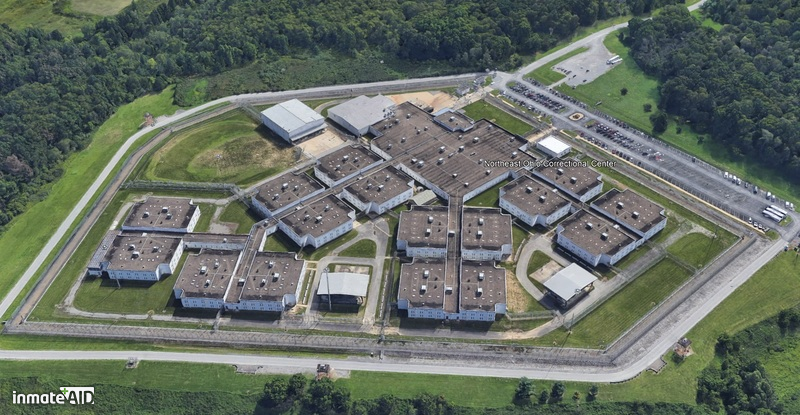
Northeast Ohio Correctional is for Private Facility offenders have not been sentenced yet and are detained here until their case is heard.
All prisons and jails have Security or Custody levels depending on the inmate’s classification, sentence, and criminal history. Please review the rules and regulations for State - medium facility.
The phone carrier is Global Tel Link (GTL) - ConnectNetwork, to see their rates and best-calling plans for your inmate to call you.
If you are unsure of your inmate's location, you can search and locate your inmate by typing in their last name, first name or first initial, and/or the offender ID number to get their accurate information immediately Registered Offenders
Located in Youngstown, OH, Northeast Ohio Correctional operates as a private contractor with various government agency agreements providing state-minimum custody requirements. Programs are offered to all custody levels, including work release residents focused on reentry success. With a strong emphasis on rehabilitation, Northeast Ohio Correctional provides comprehensive educational and vocational opportunities. Onsite amenities include dietary, health, fitness, educational, religious, and recreational services. Regular inspections ensure compliance with government standards, ensuring the facility's continued operation.
The Northeast Ohio Correctional Center in Youngstown, Ohio, is one of the largest privately operated correctional facilities in the Midwest and houses ICE detainees under contract with the Department of Homeland Security. The prison is operated by CoreCivic, formerly known as Corrections Corporation of America, rather than a county sheriff’s office, making it a privately managed federal detention complex. Opened in 1997, the facility was originally designed to house federal inmates for the Federal Bureau of Prisons and U.S. Marshals Service before expanding into immigration detention operations as DHS increased detention capacity nationwide. Located in Mahoning County near the Pennsylvania border, the prison sits within a major transportation corridor connecting Ohio, Pennsylvania, and western New York.
The Northeast Ohio Correctional Center can hold more than 2,000 inmates and detainees, making it one of the largest privately operated prisons in Ohio. In 2025, CoreCivic announced expanded ICE detention agreements that added hundreds of additional immigration detention beds at the facility as federal immigration enforcement operations accelerated. ICE detainees housed at the prison are generally individuals awaiting deportation proceedings, asylum hearings, immigration bond decisions, or transfer to other federal detention centers across the country. Because of its large capacity and existing federal infrastructure, the facility quickly became one of the primary ICE detention expansion sites in the Midwest during recent DHS detention growth initiatives.
ICE Detainee Information
This facility holds immigration detainees under an active contract with U.S. Immigration and Customs Enforcement in addition to its regular population. ICE detainees are civil immigration detainees, not criminal defendants, and are held while their immigration cases are processed. The rules, rights, and services that apply to ICE detainees differ from those that apply to the general jail population.
To locate an ICE detainee at this facility, use the ICE Online Detainee Locator at locator.ice.gov. You will need the detainee's A-Number, a nine-digit Alien Registration Number that appears on any immigration document they have received. If the A-Number has fewer than nine digits, add zeros at the beginning. If you do not have the A-Number, you can search using the detainee's full legal name, country of birth, and date of birth. Names must be an exact match; try variations if the first search returns no results.
Immigration bond works differently from criminal bail. Not all detainees are eligible for bond; those with certain criminal convictions or prior deportation orders may be subject to mandatory detention. For those who are eligible, bond is set by an immigration judge and typically ranges from $1,500 to over $10,000. Bond must be paid in full before release. An immigration attorney can request a bond hearing and argue for a lower amount based on the detainee's circumstances.
Unlike criminal defendants, ICE detainees do not have the right to a government-appointed attorney. They must hire a private immigration attorney or find free legal help through a nonprofit organization. RAICES provides legal services and bond assistance at raicestexas.org. The National Immigrant Justice Center offers free legal representation at immigrantjustice.org. Many immigration courts also maintain a list of free and low-cost legal service providers available to detainees upon request.
ICE transfers detainees between facilities frequently and with little advance notice, sometimes to locations far from family and legal counsel. If you cannot locate your family member through this page, search the ICE Online Detainee Locator again at locator.ice.gov with their A-Number. If they have an attorney, notify the attorney immediately as transfers affect court appearances and case timelines.
One of the most distinctive features of the Northeast Ohio Correctional Center is its long-standing reputation as a federal contract prison handling a constantly shifting mix of inmate populations. Over the years, the facility has housed federal prisoners, U.S. Marshals detainees, criminal aliens awaiting deportation, immigration detainees, and inmates transferred from overcrowded federal prisons throughout the country. The prison has periodically been the subject of lawsuits, federal investigations, and media scrutiny tied to inmate violence, staffing shortages, healthcare concerns, and use-of-force incidents. Several inmate deaths and allegations involving unsafe conditions brought national attention to the facility during the 2000s and 2010s, contributing to ongoing controversy surrounding privately operated detention centers.
Operationally, the prison functions as a large-scale secure detention environment designed for long-term federal custody and detainee transportation operations. Staff members oversee intake screening, housing classification, inmate transportation, medical services, attorney visitation, commissary systems, and federal detention compliance requirements tied to ICE and other federal agencies. The facility works closely with federal courts, immigration authorities, and transportation contractors responsible for moving detainees between detention centers nationwide. Because of its proximity to major interstate highways and airports, the prison serves as a logistical hub for detainee movement throughout the Great Lakes region.
Today, the Northeast Ohio Correctional Center remains one of the most operationally significant private detention facilities in the Midwest due to its massive capacity, federal partnerships, and growing immigration detention role. Advocacy groups and immigration attorneys continue criticizing the use of privately operated prisons for ICE detention, while federal officials maintain that facilities like Northeast Ohio are necessary to manage increasing detainee populations and immigration case backlogs. The prison’s combination of large-scale federal operations, private management, and expanding ICE detention contracts has made it a major component of the national immigration detention infrastructure operating throughout the central United States.