1. Home
  2. All Facilities
  3. CDHS-Colorado Mental Health Institute at Fort Logan (CMHIFL)

CDHS-Colorado Mental Health Institute at Fort Logan (CMHIFL)

State Hospital

Last Updated: July 21, 2025
Address
3520 W Oxford Ave, Denver, CO 80236
Beds
116
County
Denver
Phone
303-866-7066

CMHIFL is for State Hospital offenders have not been sentenced yet and are detained here until their case is heard.

All prisons and jails have Security or Custody levels depending on the inmate’s classification, sentence, and criminal history. Please review the rules and regulations for State - low facility.

The phone carrier is Global Tel Link (GTL) - ConnectNetwork, to see their rates and best-calling plans for your inmate to call you.

If you are unsure of your inmate's location, you can search and locate your inmate by typing in their last name, first name or first initial, and/or the offender ID number to get their accurate information immediately Registered Offenders

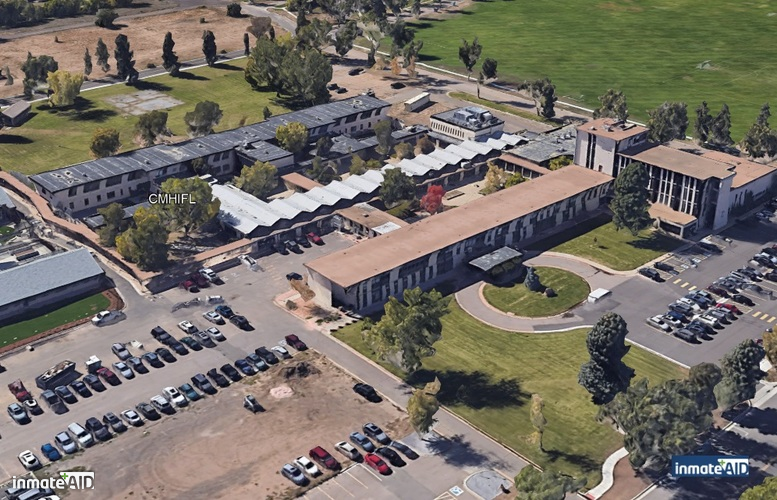
Satellite View of CDHS-Colorado Mental Health Institute at Fort Logan (CMHIFL)
Search Arrest Records

If your loved one is at CMHIFL, InmateAid can help you stay connected. Call the facility directly at 303-866-7066 with any immediate questions.

The CMHIFL stands as a correctional facility hospital situated at 3520 W Oxford Ave in Denver, CO. Operated by the Colorado Department of Corrections, these State Hospitals serve as venues for the evaluation and treatment of inmates sentenced for such purposes. Individuals undergo assessment and treatment before any new evaluation of their stability is undertaken.

Colorado DOC medical facilities comprise various housing levels catering to different security needs. These levels include Level I, featuring open dormitories without a secure perimeter, Level II with open dormitories and secure perimeter fences with armed coverage, and Level III offering individual cells, fenced perimeters, and armed coverage.

The medical facilities within CMHIFL encompass a range of specialized services, including a general acute care hospital, correctional treatment center, licensed elderly care unit, in-patient and outpatient psychiatric facilities, and a hospice unit for terminally ill inmates. Additionally, the facility provides housing and treatment for inmates identified with AIDS/HIV, along with general population and other special inmate housing.

For information regarding inmates and visiting hours, individuals may contact 303-866-7066. These facilities prioritize the health and well-being of inmates while maintaining the necessary security measures dictated by their correctional context.

The CMHHIFL is one of two state psychiatric hospitals dedicated to serving Colorado residents with acute mental illnesses and court-ordered inpatient restoration treatment. With a vision focused on providing exemplary psychiatric care, CMHHIFL strives to support hope, health, and recovery through innovative, evidence-based, and individualized patient care.

CMHHIFL primarily serves adult clients aged 18 to 59, offering 94 civil adult inpatient beds and 22 forensic beds. The hospital provides a range of medical, rehabilitation, and clinical services tailored to meet the diverse treatment needs of its clients. These services include physical, occupational, and speech therapy, along with comprehensive clinical programming.

Inmate Locator

Finding an Inmate at CDHS-Colorado Mental Health Institute at Fort Logan (CMHIFL)

If you're trying to locate someone in custody at CDHS-Colorado Mental Health Institute at Fort Logan (CMHIFL) in Denver, Colorado, the fastest path depends on how recently the arrest happened, what type of facility holds the inmate, and how quickly that facility updates its public records. There is no single nationwide inmate database that covers every detention facility in real time, so locating a specific person often means checking multiple sources or calling CDHS-Colorado Mental Health Institute at Fort Logan (CMHIFL) directly at 303-866-7066.

Using the InmateAid Inmate Search

The InmateAid inmate search is the fastest starting point for locating someone at CDHS-Colorado Mental Health Institute at Fort Logan (CMHIFL). The search pulls from facility rosters, booking systems, and arrest record databases to return current custody status, charges, and housing facility. If the person was arrested or transferred recently and doesn't appear yet, the facility likely hasn't updated its public roster, which can lag by hours or a full business day. Try again later or call 303-866-7066 to confirm.

When the Inmate Doesn't Appear in the Search

Several explanations are possible if a person isn't showing up. The booking may not be complete. The person may have been released, transferred to another facility, or moved to federal or immigration custody. Some facilities deliberately delay public records by 24 to 72 hours for security reasons. Minors are never published in any public locator regardless of facility. To rule out a transfer or release, call 303-866-7066 and ask the booking desk to confirm current status.

What You'll Need to Search Effectively

Have ready: full legal name and any aliases, date of birth, and approximate date of arrest. If you know which agency made the arrest, that narrows results significantly. A booking number locates the record immediately. Without at least a full name and approximate date, searches return too many results to be useful.

Once You've Located the Inmate

When you confirm the person is at CDHS-Colorado Mental Health Institute at Fort Logan (CMHIFL), set up a prepaid phone account so you don't miss the first call, and arrange any money transfer or commissary funding needed. For phone discount plans, money transfer, and mail services available at CDHS-Colorado Mental Health Institute at Fort Logan (CMHIFL), see InmateAid's inmate services and call 303-866-7066.

To confirm current custody status, recent transfers, or release information at CDHS-Colorado Mental Health Institute at Fort Logan (CMHIFL), call 303-866-7066.

Visitation Information

Visiting an Inmate at CDHS-Colorado Mental Health Institute at Fort Logan (CMHIFL)

Visiting someone held at CDHS-Colorado Mental Health Institute at Fort Logan (CMHIFL) in Denver, Colorado starts with confirming the current visiting schedule, the visitor approval process, and your status on the approved visitor list. Visitation policies vary widely from one facility to another based on operating authority, security level, and the inmate's current status. Call CDHS-Colorado Mental Health Institute at Fort Logan (CMHIFL) directly at 303-866-7066 to confirm what applies right now.

Getting on the Approved Visitor List

Most detention facilities require visitors to be approved in advance. The inmate at CDHS-Colorado Mental Health Institute at Fort Logan (CMHIFL) typically submits a list of proposed visitors, and each adult on that list completes a visitor application form for a background check. Approval timelines range from a few days to several weeks depending on the facility. Do not travel for a visit until you have received confirmation. Call 303-866-7066 for the visitor application process and expected approval timeline.

Visiting Days, Hours, and Scheduling

Visiting schedules at CDHS-Colorado Mental Health Institute at Fort Logan (CMHIFL) depend on the facility's operating model. Some facilities offer walk-in visits during posted hours; others require advance scheduling through an online portal or phone reservation. Visiting days may differ by housing unit or classification. Holiday schedules often change without much notice. Call 303-866-7066 a day or two before your planned visit to confirm the slot is still open and the inmate is eligible for visits.

ID, Dress Code, and What to Bring

Bring a valid government-issued photo ID: driver's license, state ID, military ID, or passport. Most facilities require it to be unexpired and match the name on your approved application. Dress codes at CDHS-Colorado Mental Health Institute at Fort Logan (CMHIFL) are enforced at entry: no revealing attire, no clothing that resembles inmate or staff uniforms, no hats, and in many facilities no underwire bras. Leave phones, bags, electronics, keys, and wallets in your vehicle or in lobby lockers.

Inmate Status and Visit Eligibility

A visit can be denied for reasons unrelated to your paperwork: the inmate may be in disciplinary status, restricted housing, medical isolation, or holdover during a transfer. Facility-wide lockdowns also suspend visits without notice. If the inmate has recently arrived, been moved, or had any change in status, call 303-866-7066 before traveling. A phone call the morning of the visit can save a wasted trip.

Video Visitation

Many detention facilities now offer video visitation through providers such as Securus, GTL/ViaPath, HomeWAV, or Smart Communications, either alongside or in place of in-person visits. Video visits typically require setting up a paid account, scheduling in advance, and connecting from a smartphone, tablet, or computer. For information on inmate phone discount plans and money transfer services, see InmateAid's inmate services and call 303-866-7066 to confirm what's available at CDHS-Colorado Mental Health Institute at Fort Logan (CMHIFL).

To confirm visiting hours, the visitor application process, or current eligibility at CDHS-Colorado Mental Health Institute at Fort Logan (CMHIFL), call 303-866-7066.

Frequently Asked Questions About CDHS-Colorado Mental Health Institute at Fort Logan (CMHIFL)

State hospitals provide inpatient psychiatric care for individuals requiring intensive mental health treatment. These facilities serve patients who are civilly committed due to severe mental illness, as well as forensic patients—those involved in the criminal justice system who require psychiatric evaluation or treatment. State hospitals are typically operated by the state’s Department of Health and Human Services or a similar agency and focus on stabilizing individuals through medical intervention, therapy, and structured care.

  1. What is a state hospital?
    A state hospital is a government-operated psychiatric facility that provides inpatient mental health treatment for individuals with severe mental illness. These hospitals serve both voluntary patients and those who are involuntarily committed due to safety concerns for themselves or others.

  2. Who is admitted to a state hospital?
    Patients are admitted through civil commitment (ordered by a court due to mental illness and inability to care for oneself) or through the forensic system (those referred by the criminal justice system for psychiatric evaluation or treatment). Some state hospitals also accept voluntary patients, though space is often limited.

  3. What is the difference between a civil commitment and a forensic commitment?
    A civil commitment involves individuals hospitalized due to mental illness that poses a danger to themselves or others, whereas a forensic commitment involves individuals referred by the courts for mental health treatment related to a criminal case. Forensic patients may be those deemed incompetent to stand trial, found not guilty by reason of insanity, or requiring psychiatric evaluation before legal proceedings.

  4. How does someone get admitted to a state hospital?
    Admission typically requires a court order, either through a civil commitment process initiated by family members, law enforcement, or medical professionals, or through the criminal justice system for forensic evaluations. Some facilities accept voluntary patients, but most prioritize those with the most urgent psychiatric needs.

  5. What types of treatment are provided in a state hospital?
    Treatment includes psychiatric evaluation, medication management, individual and group therapy, crisis intervention, occupational therapy, and life skills training. Patients may also receive substance abuse counseling and support for co-occurring disorders.

  6. Are state hospitals the same as psychiatric wards in general hospitals?
    No. Psychiatric wards in general hospitals provide short-term stabilization for acute psychiatric crises, while state hospitals offer long-term treatment and rehabilitation for individuals with severe or persistent mental illness.

  7. How long do patients stay in a state hospital?
    The length of stay varies depending on the patient’s condition, legal status, and treatment progress. Some individuals may stay a few weeks or months, while others with complex needs or forensic commitments may remain for years or indefinitely if they are considered a continued risk to themselves or the public.

  8. Can a patient refuse treatment in a state hospital?
    Involuntary patients may be required to take medication and participate in treatment if deemed necessary by medical professionals and approved by a court. However, legal protections exist, and patients have the right to challenge their treatment through legal channels. Voluntary patients generally have more autonomy in their care.

  9. Are state hospitals secure facilities?
    Yes, especially forensic units where patients are under legal custody. These units have controlled access, security protocols, and staff trained in crisis management. Civil commitment areas may have more flexibility, but safety remains a priority in all units.

  10. Do patients have access to visitors while in a state hospital?
    Yes, but visitation policies vary by facility and patient status. Some patients have limited or supervised visitation, particularly in forensic units, while others may have more frequent visits depending on their treatment progress and behavior.

  11. Can patients leave the state hospital at any time?
    Voluntary patients may discharge themselves, though medical staff will assess their readiness to leave. Involuntary patients must meet legal and medical criteria before being released, which often requires court approval.

  12. Do state hospitals provide educational or vocational programs?
    Some state hospitals offer vocational training, life skills development, and educational opportunities to help patients transition back into the community. Programs may include job readiness training, social skills classes, and supported employment initiatives.

  13. What rights do patients have in a state hospital?
    Patients have rights, including access to adequate medical care, humane treatment, legal representation, and appeal processes for involuntary hospitalization. Federal and state laws, such as the Mental Health Patient Bill of Rights, ensure that patients are treated with dignity and respect.

  14. How does a state hospital help forensic patients reintegrate into society?
    Forensic patients may transition through step-down programs, including supervised housing, community-based treatment, and conditional release programs. The goal is to provide continued mental health support while ensuring public safety.

  15. Who pays for state hospital treatment?
    State hospitals are primarily funded by state and federal government programs, with costs covered by Medicaid, Medicare, or state mental health services. Patients with private insurance may have additional coverage, but involuntary hospitalization is typically state-funded.

  16. Can patients have personal belongings in a state hospital?
    Personal belongings are allowed but may be restricted for safety reasons. Items such as sharp objects, medications, and electronics may be prohibited or require special approval. Each facility has guidelines on what is permitted.

  17. What happens after a patient is discharged from a state hospital?
    Discharge planning includes connecting patients with outpatient services, medication management, therapy, and community resources to support their transition. Many patients enter supervised housing, outpatient mental health programs, or assisted living to maintain stability post-discharge.

Ask The Inmate

Connect directly with former inmates and get your questions answered for free. Gain valuable insights from individuals with firsthand experience in the federal prison system, state and county jails, and GEO and CoreCivic-run private prisons. Whether you're seeking advice, clarification, or just curious about life behind bars, this unique opportunity allows you to ask questions or explore answers to previous inquiries from the InmateAid community. Engage in meaningful discussions and get informed perspectives from those who truly understand the system.