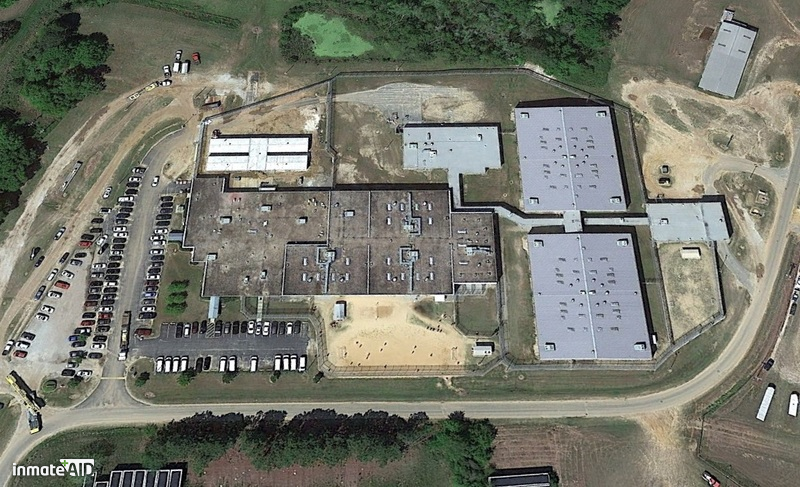
ICDC is for US Immigration & Customs Enforcement-ICE offenders have not been sentenced yet and are detained here until their case is heard.
All prisons and jails have Security or Custody levels depending on the inmate’s classification, sentence, and criminal history. Please review the rules and regulations for Medium facility.
The phone carrier is Correct Solutions Group, to see their rates and best-calling plans for your inmate to call you.
If you are seeking to send your inmate money for commissary, one recommended for this facility is JailATM™ There is a fee for sending money, see their rates and limitations.
If you are unsure of your inmate's location, you can search and locate your inmate by typing in their last name, first name or first initial, and/or the offender ID number to get their accurate information immediately Registered Offenders
ICDC is an immigration detention facility in Ocilla, GA. Detainees are held by U.S. Immigration and Customs Enforcement while their immigration cases are processed, including hearings, deportation proceedings, or asylum claims. To locate a detainee, use the ICE Online Detainee Locator System at locator.ice.gov with the detainee's A-Number or full name and country of birth.
To find an ICE detainee, please use the Detainee Locator System with the A-Number search being the most efficient method. The A-number must be exactly nine digits; if shorter, zeros should be added at the beginning. When searching by name, the first and last names must be entered as an exact match, and the detainee's correct country of birth must be selected. Please note that records of individuals under 18 cannot be searched.
Detainees at this facility are assigned to housing based on their custody level, determined by various factors including sentence length and criminal history. The detention center provides a wide range of educational and vocational training programs. Additionally, the facility is equipped to meet most detainee needs, including dietary, health, fitness, education, religious practices, and entertainment. As a privately operated facility, it undergoes frequent inspections to ensure it remains in top condition, maintaining a clean record to secure ongoing government contracts.
The Irwin County Detention Center in Ocilla, Georgia, is a privately operated detention facility that houses ICE detainees under contract with the Department of Homeland Security and U.S. Immigration and Customs Enforcement. Located in south Georgia along Cotton Drive, the detention center has operated for years as one of ICE’s major detention facilities in the Southeast, although its history has been marked by repeated closures, federal investigations, and controversial contract renewals. Public ICE contract records and detention reports have historically identified the facility as having close to 1,000 detention beds available for immigration detainees and federal holds. The facility is currently operated by LaSalle Corrections under federal detention agreements following previous management changes involving county and private detention operators.
The detention center was originally designed to support both county detention functions and large-scale federal immigration detention operations. The facility contains secure male and female housing units, intake and booking sections, medical and mental health clinics, attorney visitation rooms, recreation areas, transportation staging sections, dining operations, and administrative offices supporting around-the-clock detention operations. ICE detainees housed at the facility are generally awaiting immigration hearings, deportation proceedings, asylum determinations, or transfer within the federal immigration system. ICE officially resumed immigration detention operations at the facility during 2025 after several years of suspended use following federal investigations and public controversy surrounding detainee healthcare and treatment conditions.
ICE Detainee Information
This facility holds immigration detainees under an active contract with U.S. Immigration and Customs Enforcement in addition to its regular population. ICE detainees are civil immigration detainees, not criminal defendants, and are held while their immigration cases are processed. The rules, rights, and services that apply to ICE detainees differ from those that apply to the general jail population.
To locate an ICE detainee at this facility, use the ICE Online Detainee Locator at locator.ice.gov. You will need the detainee's A-Number, a nine-digit Alien Registration Number that appears on any immigration document they have received. If the A-Number has fewer than nine digits, add zeros at the beginning. If you do not have the A-Number, you can search using the detainee's full legal name, country of birth, and date of birth. Names must be an exact match; try variations if the first search returns no results.
Immigration bond works differently from criminal bail. Not all detainees are eligible for bond; those with certain criminal convictions or prior deportation orders may be subject to mandatory detention. For those who are eligible, bond is set by an immigration judge and typically ranges from $1,500 to over $10,000. Bond must be paid in full before release. An immigration attorney can request a bond hearing and argue for a lower amount based on the detainee's circumstances.
Unlike criminal defendants, ICE detainees do not have the right to a government-appointed attorney. They must hire a private immigration attorney or find free legal help through a nonprofit organization. RAICES provides legal services and bond assistance at raicestexas.org. The National Immigrant Justice Center offers free legal representation at immigrantjustice.org. Many immigration courts also maintain a list of free and low-cost legal service providers available to detainees upon request.
ICE transfers detainees between facilities frequently and with little advance notice, sometimes to locations far from family and legal counsel. If you cannot locate your family member through this page, search the ICE Online Detainee Locator again at locator.ice.gov with their A-Number. If they have an attorney, notify the attorney immediately as transfers affect court appearances and case timelines.
One of the most distinguishing features of the Irwin County Detention Center is the extraordinary level of national attention it received following allegations involving medical abuse of detained immigrant women. In 2020, whistleblower complaints and subsequent Senate investigations accused a gynecologist affiliated with the detention center of performing excessive and invasive medical procedures on female detainees without proper consent. The allegations triggered multiple federal investigations, congressional inquiries, lawsuits, and international criticism regarding ICE oversight and healthcare practices inside immigration detention facilities. In 2021, DHS announced plans to terminate ICE use of the facility, describing it as no longer operationally necessary amid growing concerns surrounding detainee treatment and medical oversight failures.
Despite the previous closure announcement, ICE resumed detention operations at Irwin County during 2025 as federal immigration detention populations expanded nationwide. The reopening immediately sparked backlash from immigrant rights organizations, advocacy groups, attorneys, and former detainees who argued the facility symbolized systemic failures within the federal immigration detention system. Civil rights organizations condemned the decision to reactivate the center, citing unresolved concerns involving healthcare practices, detainee abuse allegations, oversight failures, and accountability surrounding prior investigations. Reports during 2025 and 2026 confirmed new immigration detainees were once again being transferred into the Ocilla facility under renewed federal contracts.
Unlike many county jails that simply supplement ICE bed space, the Irwin County Detention Center became nationally symbolic of the broader debate surrounding private immigration detention, detainee healthcare, and federal oversight of ICE contractors. The facility’s reopening under renewed contracts demonstrated the federal government’s continued reliance on private detention infrastructure as immigration detention capacity expanded throughout the country. Even after years of investigations, litigation, Senate scrutiny, and public criticism, the detention center continues operating as an active component of the DHS immigration detention network and remains one of the most controversial ICE detention facilities in the United States.