1. Home
  2. All Facilities
  3. Louisiana (ICE) Processing Center

Louisiana (ICE) Processing Center

US Immigration & Customs Enforcement-ICE

Last Updated: November 15, 2018
Address
17544 Tunica Trace , Angola, LA 70712
County
West Feliciana Parish
Phone
225-655-9013
Email
neworleans.outreach@ice.dhs.gov

Louisiana ICE Processing is for US Immigration & Customs Enforcement-ICE offenders have not been sentenced yet and are detained here until their case is heard.

All prisons and jails have Security or Custody levels depending on the inmate’s classification, sentence, and criminal history. Please review the rules and regulations for Medium facility.

The phone carrier is Correct Solutions Group, to see their rates and best-calling plans for your inmate to call you.

If you are seeking to send your inmate money for commissary, one recommended for this facility is CorrectSolutions There is a fee for sending money, see their rates and limitations.

If you are unsure of your inmate's location, you can search and locate your inmate by typing in their last name, first name or first initial, and/or the offender ID number to get their accurate information immediately Registered Offenders

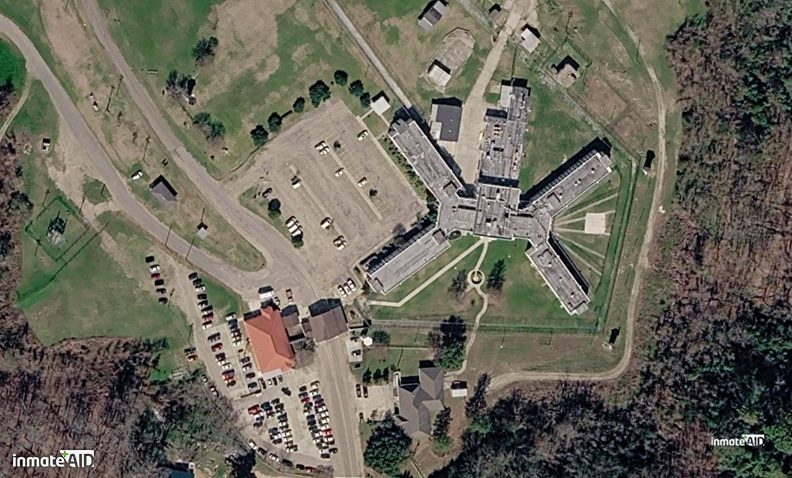
Satellite View of Louisiana (ICE) Processing Center
Search Arrest Records

If your loved one is at Louisiana ICE Processing, InmateAid can help you stay connected. Call the facility directly at 225-655-9013 with any immediate questions.

Louisiana ICE Processing is an immigration detention facility in Angola, LA. Detainees are held by U.S. Immigration and Customs Enforcement while their immigration cases are processed, including hearings, deportation proceedings, or asylum claims. To locate a detainee, use the ICE Online Detainee Locator System at locator.ice.gov with the detainee's A-Number or full name and country of birth.

To find an ICE detainee, please use the Detainee Locator System with the A-Number search being the most efficient method. The A-number must be exactly nine digits; if shorter, zeros should be added at the beginning. When searching by name, the first and last names must be entered as an exact match, and the detainee's correct country of birth must be selected. Please note that records of individuals under 18 cannot be searched.

Detainees at this facility are assigned to housing based on their custody level, determined by various factors including sentence length and criminal history. The detention center provides a wide range of educational and vocational training programs. Additionally, the facility is equipped to meet most detainee needs, including dietary, health, fitness, education, religious practices, and entertainment. As a privately operated facility, it undergoes frequent inspections to ensure it remains in top condition, maintaining a clean record to secure ongoing government contracts.

Questions About This Facility

The Louisiana ICE Processing Center, commonly referred to by immigration advocates and state officials as part of the controversial “Louisiana Lockup” network, operates on property connected to the legendary Louisiana State Penitentiary at Angola, one of the most infamous prison complexes in the United States. The ICE detention operation is located in West Feliciana Parish near the Mississippi River and co-locates with portions of the sprawling Angola prison property, which spans roughly 18,000 acres of isolated farmland, swamps, forests, and secured correctional infrastructure. Unlike a traditional parish jail overseen by a sheriff, the facility operates through partnerships involving the Louisiana Department of Public Safety and Corrections, ICE, and DHS detention authorities. The larger Angola prison complex itself remains under the leadership of Louisiana State Penitentiary Warden Darrel Vannoy, while immigration detention operations coordinate directly with federal immigration authorities.

The ICE detention component at Angola gained national attention after the reopening and conversion of the notorious former Camp J segregation unit into a federal immigration detention center now renamed “Camp 57”, a reference to Louisiana Governor Jeff Landry being the state’s 57th governor. Federal and state officials announced that the facility would initially hold more than 400 ICE detainees, with room for future expansion depending on federal detention needs. The site was rapidly refurbished under emergency state authority as federal immigration enforcement operations intensified throughout the southern United States. ICE detainees housed at the facility are generally adult males awaiting immigration hearings, deportation proceedings, transfers, or federal processing actions coordinated through DHS and ICE Enforcement and Removal Operations.

ICE Detainee Information

This facility holds immigration detainees under an active contract with U.S. Immigration and Customs Enforcement in addition to its regular population. ICE detainees are civil immigration detainees, not criminal defendants, and are held while their immigration cases are processed. The rules, rights, and services that apply to ICE detainees differ from those that apply to the general jail population.

To locate an ICE detainee at this facility, use the ICE Online Detainee Locator at locator.ice.gov. You will need the detainee's A-Number, a nine-digit Alien Registration Number that appears on any immigration document they have received. If the A-Number has fewer than nine digits, add zeros at the beginning. If you do not have the A-Number, you can search using the detainee's full legal name, country of birth, and date of birth. Names must be an exact match; try variations if the first search returns no results.

Immigration bond works differently from criminal bail. Not all detainees are eligible for bond; those with certain criminal convictions or prior deportation orders may be subject to mandatory detention. For those who are eligible, bond is set by an immigration judge and typically ranges from $1,500 to over $10,000. Bond must be paid in full before release. An immigration attorney can request a bond hearing and argue for a lower amount based on the detainee's circumstances.

Unlike criminal defendants, ICE detainees do not have the right to a government-appointed attorney. They must hire a private immigration attorney or find free legal help through a nonprofit organization. RAICES provides legal services and bond assistance at raicestexas.org. The National Immigrant Justice Center offers free legal representation at immigrantjustice.org. Many immigration courts also maintain a list of free and low-cost legal service providers available to detainees upon request.

ICE transfers detainees between facilities frequently and with little advance notice, sometimes to locations far from family and legal counsel. If you cannot locate your family member through this page, search the ICE Online Detainee Locator again at locator.ice.gov with their A-Number. If they have an attorney, notify the attorney immediately as transfers affect court appearances and case timelines.

One of the most distinctive and controversial features of the Louisiana ICE Processing Center is its direct association with Angola, the largest maximum-security prison in America and one of the most recognizable correctional institutions in the country. Angola itself carries a deeply controversial history connected to plantation labor, extended solitary confinement, and decades of criticism over prison conditions. The former Camp J housing unit, previously known among inmates as “the dungeon,” had once been shuttered due to concerns surrounding harsh isolation conditions and inmate treatment. Its conversion into an ICE detention facility immediately drew national criticism from immigration advocates, civil rights organizations, and legal groups who argued that placing immigration detainees inside the Angola prison complex symbolized the growing merger between criminal incarceration systems and federal immigration enforcement.

Operationally, the Louisiana ICE Processing Center functions as a heavily secured federal detention environment designed for long-term immigration custody rather than short-term local incarceration. Staff coordinate intake screening, medical evaluations, transportation logistics, court appearances, legal visitation, commissary operations, and detainee supervision under ICE detention standards. Due to Angola’s extreme geographic isolation, surrounded by water, swampland, wooded terrain, and farmland, transportation and detainee access present unique logistical challenges for attorneys, family members, and advocacy organizations attempting to reach detainees housed there. State officials have publicly referenced the prison’s remote environment as a major security advantage, noting that the prison complex is naturally isolated by the Mississippi River and rural terrain.

The facility has quickly become one of the most scrutinized immigration detention sites in the United States as Louisiana continues emerging as a central hub within the national ICE detention system. Advocacy organizations, attorneys, and journalists have documented allegations involving overcrowding, medical access concerns, hunger strikes, and detainee treatment since the reopening of Camp 57. Despite the controversy, federal and state officials continue positioning the Louisiana ICE Processing Center as a critical component of DHS detention expansion efforts. Its combination of Angola’s historic notoriety, the “Louisiana Lockup” nickname, remote plantation-era setting, and direct integration into federal immigration enforcement operations has made the facility one of the most recognizable and debated ICE detention sites currently operating in the country.
Inmate Locator

Finding an Inmate at Louisiana (ICE) Processing Center

If you're trying to locate someone in custody at Louisiana (ICE) Processing Center in Angola, Louisiana, the fastest path depends on how recently the arrest happened, what type of facility holds the inmate, and how quickly that facility updates its public records. There is no single nationwide inmate database that covers every detention facility in real time, so locating a specific person often means checking multiple sources or calling Louisiana (ICE) Processing Center directly at 225-655-9013.

Using the Arrest Search

The Truthfinder arrest search is the fastest starting point for locating someone at Louisiana (ICE) Processing Center. The search pulls from facility rosters, booking systems, and arrest record databases to return current custody status, charges, and housing facility. If the person was arrested or transferred recently and doesn't appear yet, the facility likely hasn't updated its public roster, which can lag by hours or a full business day. Try again later or call 225-655-9013 to confirm.

When the Inmate Doesn't Appear in the Search

Several explanations are possible if a person isn't showing up. The booking may not be complete. The person may have been released, transferred to another facility, or moved to federal or immigration custody. Some facilities deliberately delay public records by 24 to 72 hours for security reasons. Minors are never published in any public locator, regardless of facility. To rule out a transfer or release, call 225-655-9013 and ask the booking desk to confirm the current status.

What You'll Need to Search Effectively

Have ready: full legal name and any aliases, date of birth, and approximate date of arrest. If you know which agency made the arrest, that narrows results significantly. A booking number locates the record immediately. Without at least a full name and approximate date, searches return too many results to be useful.

Once You've Located the Inmate

When you confirm the person is at Louisiana (ICE) Processing Center, set up a prepaid phone account so you don't miss the first call, and arrange any money transfer or commissary funding needed. For phone provider contact, money transfer, and mail services available at Louisiana (ICE) Processing Center, see InmateAid's inmate services and call 225-655-9013.

To confirm current custody status, recent transfers, or release information at Louisiana (ICE) Processing Center, call 225-655-9013.

Visitation Information

Visitation Information - Louisiana ICE Processing Center

Facility Contacts

ICE Supervisory Detention and Deportation Officer: 225-756-9400 Visit and legal scheduling: 225-655-9013 Legal fax: 225-655-9117 Virtual attorney visit and legal mail emails (any of the following): vav1camp57@lasallecorrections.com vav2camp57@lasallecorrections.com vav3camp57@lasallecorrections.com vav4camp57@lasallecorrections.com vav5camp57@lasallecorrections.com vav6camp57@lasallecorrections.com vav7camp57@lasallecorrections.com vav8capm57@lasallecorrections.com vav9camp57@lasallecorrections.com vav10camp57@lasallecorrections.com

Visiting Hours

Monday through Friday: 8 a.m. to 4 p.m. Saturday and Sunday: 12:30 p.m. to 4 p.m.

Call 225-655-9013 to schedule a visit or for additional information.

Who Can Visit

Adult visitors (18 or older) can visit unaccompanied. Anyone under 18 must be accompanied by a parent or guardian. All visitors must show a valid government-issued photo ID.

Visiting Rules

All friend and family visits are non-contact.

No firearms or weapons of any kind. No electronic devices (cell phones, pagers, radios) in secure areas. Visitors cannot pass anything to detainees or carry items into the visitation area.

Every visitor is subject to a pat-down, bag inspection, and metal scan. Refusing a search means you will not be admitted. If you appear intoxicated, you will be turned away.

Attorney Visits

In-person attorney visits run:

Monday through Friday: 8 a.m. to 4 p.m. Saturday and Sunday: 12:30 p.m. to 4 p.m.

Legal calls can be scheduled by calling 225-655-9013.

A list of pro bono legal organizations is posted in every housing unit and updated quarterly. Detainees are responsible for contacting these organizations to schedule appointments.

Virtual Attorney Visits and Legal Calls

Attorneys can request video teleconference (VTC) meetings or confidential legal phone calls by emailing any of the VAV addresses listed above, or by calling 225-655-9013 to reach the court room officer who handles scheduling. The court officers will reply with a confirmed date and time.

Appointments must be requested at least 24 hours in advance. Sessions run 6 a.m. to 9 p.m. CT in 30 to 60-minute blocks. There is no cap on how many VTC appointments an attorney can request, but no attorney can have more than one 60-minute meeting with the same detainee in a single day.

The email request must include: the attorney's full name and contact info, the detainee's name and A-number, several proposed dates and times, a scan of the attorney's government ID, proof of legal status (bar card, attorney license, paralegal license, or similar), and a scan of the eFiled G-28 unless this is a pre-representational visit. If a legal assistant is joining alone, attach a letter of authorization on firm letterhead and a scan of the assistant's ID.

Only legal representatives, legal assistants, and interpreters are allowed on these calls. No family, no friends. The attorney can use outside interpretation services during the session. Calls are confidential; an officer stays within sight but out of earshot and will knock 5 minutes before the cutoff.

Recording any virtual or in-person visit, by audio or video, is prohibited. Violations can result in suspension or permanent loss of virtual attorney visit privileges.

Legal Mail by Email or Fax

Attorneys can send legal correspondence to any of the VAV emails listed above, or fax to 225-655-9117. Mark "Legal Mail" clearly in the subject line and attach the specific documents to be delivered.

Include a cover sheet with the detainee's full name, A-number, sender's return fax number, total page count, and a "Legal Mail" notation.

Documents are inspected for contraband but not read, then delivered to the detainee. Processing happens during business hours Monday through Friday, 8 a.m. to 4 p.m. CT, excluding holidays.

Consular Visits

Consular officials can meet with their nationals at any time. Call the ICE Supervisory Detention and Deportation Officer at 225-756-9400 to make arrangements when possible, and bring credentials.

Clergy Visits

Clergy can visit at any time but must arrange the visit ahead of time through the Chaplain's Office.

How to Save Money on Inmate Calls

Understanding Prison Phone Services: The Lowest Rate Is Now the Law

For decades, prison phone companies held a monopoly within the facilities they contracted with and charged whatever the market would bear, sometimes a dollar a minute or more. InmateAid spent years doing the legwork for families, finding the lowest rate available at each facility. On April 6, 2026, the government finally did what InmateAid's service did for years: it put a guaranteed ceiling on what every family pays. Federal rate caps now limit phone calls to $0.11 per minute at prisons and large jails, and no more than $0.18 per minute at even the smallest county jails, plus a small facility fee. Video calls are capped for the first time.

What that means in real dollars: a 15-minute call from a state prison now tops out around $1.95 before taxes, where that same call once cost $12 or more. Rates have flattened nationwide, and you can be confident the price you pay sits at or below a legal ceiling, guaranteed. Six states (California, Colorado, Connecticut, Massachusetts, Minnesota, and New York) have gone further and made calls from state prisons free.

Some things have not changed. The provider at your facility is still the only option, prepaid accounts still beat collect calls nearly every time, and add-on fees for funding accounts can still creep onto your bill. Check the per-minute rate you are actually paying, switch to prepaid if you are receiving collect calls, and review your first statement. In federal prisons, note that pandemic-era free calling ended in January 2025; inmates enrolled in First Step Act programming earn 300 free minutes per month, so encourage your loved one to ask their case manager about enrollment.

For the complete breakdown of the new caps, facility size tiers, and which states are affected, read InmateAid's full guide: FCC Prison Phone Rate Caps 2026: What Changed and What It Means for Your Family. For facility-specific phone details, visit the InmateAid page for the facility where your inmate is incarcerated.

How to Send Money to an Inmate

How to Send an Inmate Money in Louisiana

Sending money to inmates is a crucial way for family members and friends to support their loved ones during incarceration. Inmates often rely on financial assistance to purchase basic necessities, maintain communication with the outside world, and participate in programs that aid their rehabilitation. This guide provides a thorough overview of how to send money to inmates, the rules and restrictions involved, and the importance of these funds in the lives of incarcerated individuals.


Why Do Inmates Need Money?

Incarceration provides the bare minimum of necessities, such as food, clothing, and hygiene products. However, these basic provisions often fall short of inmates' actual needs. Money allows inmates to access:

  • Commissary Purchases: Items such as snacks, beverages, toiletries, stationery, and entertainment products like radios or MP3 players.
  • Communication Services: Phone calls, emails, and postage for letters are not free in most facilities, and funds are required to stay connected with loved ones.
  • Healthcare Co-Pays: Inmates may need to pay nominal fees for medical or dental care within the facility.
  • Rehabilitation Programs: Some facilities charge fees for participation in educational or vocational training programs.

Funds in an inmate’s account provide a sense of autonomy and improve their quality of life, helping them maintain a connection to normalcy.


How Are Inmate Funds Managed?

When money is sent to an inmate, it is deposited into their trust account. This account functions as a personal bank account within the facility. Inmates use these funds for various expenses, and any earnings from prison jobs are also deposited here. For inmates with outstanding fines or restitution orders, a portion of the funds may be garnished to meet these obligations.


Methods for Sending Money

The process for sending money to inmates varies by facility type (county, state, or federal) and the service providers they contract with. Below are the most common methods:

1. Online Transfers

Many facilities partner with electronic money transfer services like JPay, Access Corrections, and MoneyGram. These platforms allow friends and family to deposit funds conveniently via a website or mobile app.

2. Postal Money Orders

Money orders can be mailed directly to the facility. Be sure to include the inmate’s full name, ID number, and any other required details to ensure the money is credited to their account.

3. Kiosks

Some facilities have kiosks located in their lobbies or visitation areas. These kiosks accept cash, debit, or credit card payments for direct deposit into an inmate’s account.

4. Phone Transfers

Certain service providers offer phone-based transfers, where funds can be sent using a credit or debit card.

5. Centralized Banking Systems

In some state and federal facilities, centralized banking systems allow funds to be sent without requiring the inmate’s exact location. Examples include the Federal Bureau of Prisons (BOP) system, which centralizes transactions for inmates across the country.


Rules and Restrictions

Each facility imposes specific rules to regulate money deposits:

  • Deposit Limits: Some facilities cap the amount of money that can be sent in a single transaction or within a set period.
  • Approved Senders: Certain prisons require that money senders be on the inmate’s approved visitation or contact list.
  • Fees: Many electronic transfer services charge processing fees, which can vary based on the amount sent and the method used.
  • Restricted Uses: Funds may be garnished for restitution payments or disciplinary fines before the inmate can access them.

It is essential to review the facility's guidelines to avoid delays or rejection of your deposit.


How Inmates Use Commissary Accounts

The commissary, sometimes referred to as a canteen, is a store within the correctional facility where inmates can purchase goods not provided by the prison. Common items include:

  • Snacks and beverages.
  • Hygiene products like toothpaste and soap.
  • Writing supplies for correspondence.
  • Entertainment items such as books, magazines, and radios.

For indigent inmates who lack funds, many facilities provide basic supplies like paper and stamps, ensuring they can maintain communication with loved ones.


Tips for Sending Money

  • Verify the Facility’s Policies: Before sending funds, confirm the approved methods and requirements for the specific institution.
  • Keep Records: Retain receipts or confirmation numbers for your deposits in case of disputes or delays.
  • Set Boundaries: If an inmate requests excessive funds, establish clear limits to avoid potential misuse.

FAQs

1. Can anyone send money to an inmate?
Most facilities allow family and friends to send money, but some require the sender to be on an approved list. Always check with the facility for specific requirements.

2. Are there fees for sending money?
Yes, electronic transfer services like JPay or MoneyGram typically charge fees, which vary depending on the amount sent and the method used.

3. How quickly does the inmate receive the funds?
Electronic transfers are usually processed within 24 to 48 hours. Money orders and mailed funds may take up to a week to process.

4. What happens if an inmate has outstanding fines?
Funds in an inmate’s trust account may be garnished to pay for fines, restitution, or other obligations. The remaining balance is available for the inmate's use.

5. Can inmates send money to others?
Inmates are generally prohibited from transferring money to other inmates. Exceptions may exist for approved family transfers, but this is rare.

6. What should I do if I suspect misuse of funds?
If you believe an inmate is misusing funds or being extorted, contact the facility’s counselor or case manager discreetly to address the issue.

Possible Concerns to Consider

Who Can Access the Money You Send?

If an inmate has outstanding fines or restitution, the funds in their commissary or trust account may be garnished. The facility will typically deduct a portion of each deposit, or in some cases, the entire amount, depending on the nature of the financial obligation. To avoid surprises, inmates should speak with their counselor or case manager before their incarceration begins to understand these deductions. Knowing in advance that 20-25% of all deposits might be withheld is better than discovering the account is empty when attempting a commissary purchase.


Why Is My Inmate Asking for More Money Than Usual?

An unexpected request for additional funds may indicate that the inmate is facing trouble or engaging in prohibited activities. This could involve gambling, extortion, or other situations requiring extra money. It’s important to establish clear boundaries, such as stating, “This is the amount I can send each month,” and adhering to that limit. Avoid sending more than you can afford or being pressured into exceeding your set amount.

Important Note: Never send money to another inmate’s account at the request of your loved one. This is often a red flag indicating a deeper issue. Such transactions are usually monitored by correctional staff, and if discovered, can result in disciplinary action for the inmate, including the loss of privileges.


What Should I Do If I Suspect Misuse of Funds?

If you suspect misuse of funds or believe your loved one is being coerced, contact the facility’s counselor or case manager to discuss your concerns. Use neutral language to avoid putting the inmate in a more difficult position if your suspicions turn out to be unfounded. Facility staff are trained to handle these situations discreetly and can guide how to proceed

Send Photos, Letters, and Postcards

Sending Mail to Inmates at Louisiana (ICE) Processing Center: Guidelines and Services

Looking to send heartfelt greetings to your loved one in prison? Some facilities have recently updated their rules for incoming mail to protect staff from potential drug contamination through the ink used in mail pieces. These new rules require mail to be sent to a third-party post office box, where it is scanned into computer files and shared with inmates without anyone physically handling the original mail. When sending letters, photos, postcards, greeting cards, and magazines to inmates at Louisiana (ICE) Processing Center, adherence to specific guidelines is essential. Both incoming and outgoing mail undergo inspection to prevent the introduction of contraband that could compromise the safety, security, or well-being of the facility, its staff, and residents.

Inmate mail must not contain content that poses an immediate threat to jail order, such as descriptions of manufacturing weapons, bombs, incendiary devices, or escape tools that could realistically endanger jail security. Content advocating violence, racial supremacy, or ethnic purity is also prohibited. Additionally, inmate-to-inmate mail is not allowed and will be destroyed.

To simplify the process, individuals can utilize the mailing services offered by InmateAid. This automated system makes sending special messages or pictures to loved ones convenient and efficient. InmateAid has successfully sent tens of thousands of mail pieces per month without encountering issues with prisons or jails. Envelopes bearing the InmateAid logo assure mail room staff that the contents comply with regulations, establishing a trust that has been maintained since 2012.

Inmates are permitted to receive only metered, unstamped, plain white postcards no larger than 4" x 6". Writing must be done in pencil or blue or black ink. Any other type of mail will be returned to the sender. If there is no return address, unauthorized mail will be stored in the inmate's locker until their release. Again, InmateAid's service for postcards and greeting cards complies with the old and new rules. You can get 8 postcards/greeting cards for only $8.

By following these guidelines and using reliable services like InmateAid, you can ensure your mail reaches your loved one safely and without complications.

Inmate Commissary

Understanding Inmate Commissary

An inmate commissary, often referred to as a "canteen," is a store within a correctional facility where incarcerated individuals can purchase items not provided by the institution. Commissary services play an essential role in improving the quality of life for inmates by giving them access to additional goods and services. Here's what you need to know about how commissaries function and the impact they have:


What Is Available at Commissary?

Commissary stores typically offer a wide range of products, including:

  • Snacks and Beverages: Chips, candy, coffee, and instant noodles are common purchases.
  • Hygiene Products: Toothpaste, soap, shampoo, and feminine hygiene items.
  • Writing Supplies: Paper, envelopes, pens, and stamps to facilitate correspondence with loved ones.
  • Entertainment Items: Books, playing cards, radios, and sometimes MP3 players or tablets for facilities with digital programs.
  • Clothing and Accessories: Basic clothing, shoes, and thermal wear.
  • Miscellaneous Items: Batteries, headphones, and over-the-counter medications.

How Do Inmates Pay for Commissary?

Inmates use funds from their trust accounts to make purchases. These accounts are funded by money sent from family or friends, as well as wages earned from jobs within the facility. Without available funds, inmates cannot access commissary items unless they qualify as indigent, in which case the facility may provide limited basic supplies like paper and stamps.


Why Is Commissary Important?

Commissary services enhance the overall well-being of inmates in several ways:

  • Comfort: Access to familiar snacks and hygiene products provides a sense of normalcy.
  • Communication: Purchasing writing supplies and stamps enables inmates to stay connected with family and friends.
  • Rehabilitation: Items like books and educational materials contribute to personal growth and development.
  • Autonomy: The ability to choose and purchase items fosters a sense of independence.

Regulations and Limits

Each facility has strict rules governing commissary purchases:

  • Spending Limits: Weekly or monthly caps are set to prevent hoarding or misuse of funds.
  • Item Restrictions: Facilities may prohibit certain products to maintain safety and security.
  • Delivery Schedules: Commissary orders are typically processed and distributed on designated days.

Inmate commissaries provide more than just goods—they offer a vital connection to the outside world and an opportunity for inmates to manage their daily needs. For families and friends, ensuring your loved one has funds in their trust account can significantly improve their experience during incarceration. Always check the specific rules and options available at the facility to better support your loved one.

Inmate Care Packages

How to Buy Inmate Commissary Care Packages Online

Purchasing commissary care packages for an inmate is a thoughtful way to show support and provide essential items they may not otherwise have access to. These packages often include a variety of approved products such as snacks, hygiene items, and personal necessities. Here’s how you can buy commissary care packages online:

  1. Find the Facility’s Approved Vendor
    Correctional facilities typically partner with approved providers like Keefe Group, Access Securpak, Union Supply Direct, Walkenhorst’s, or CareACell. These vendors work directly with facilities to ensure that the items in the packages meet all regulations.

  2. Search for the Inmate’s Facility
    Visit the vendor’s website and select the correctional facility where your loved one is housed. This ensures that you see the packages and items specifically allowed for that institution.

  3. Select a Package
    Browse the available packages, which often include bundles of snacks, toiletries, and even seasonal or holiday-themed items. Many services also allow customization, so you can tailor the package to your loved one’s preferences.

  4. Enter the Inmate’s Details
    Provide the inmate’s full name and ID number to ensure the package is delivered to the correct person. Double-check this information to avoid delivery issues.

  5. Complete Your Purchase
    Add the selected package to your cart, proceed to checkout, and make your payment using a credit or debit card. Some vendors may also offer alternative payment methods.

  6. Confirm Delivery Guidelines
    Delivery schedules vary by facility, so check when packages are typically distributed. Most vendors provide estimated delivery times and tracking options.

By following these steps, you can easily send a commissary care package to brighten an inmate’s day. These packages not only provide comfort but also remind your loved one that they are supported and cared for. For added convenience, many vendors offer affordable pricing and frequent promotions to help you maximize your support

Frequently Asked Questions About Louisiana (ICE) Processing Center

  1. What is an immigration detention center?
      An immigration detention center is a facility operated by U.S. Immigration and Customs Enforcement (ICE) or contracted private companies to hold individuals who are awaiting immigration hearings, deportation, or asylum processing. Detainees may include undocumented immigrants, asylum seekers, and individuals facing removal proceedings.

  2. How can I find out where an ICE detainee is held?
      You can locate a detainee using the ICE Online Detainee Locator System, available on the ICE website. To search, you will need either the A-Number (Alien Registration Number) and country of birth or the detainee’s full name, country of birth, and date of birth. If the detainee is recently transferred or booked, their information may not appear immediately. Families and legal representatives can also contact ICE field offices or the detention center directly for updated information.

  3. Who operates immigration detention centers?
    ICE manages these facilities, but many are run through private prison companies like CoreCivic and GEO Group or in collaboration with county jails and local law enforcement agencies. Some detention centers are standalone facilities, while others are dedicated sections within jails or prisons.

  4. How long do people stay in immigration detention?
      Detention times vary. Some detainees are held for a few days or weeks, while others may remain in custody for months or even years due to delays in immigration court proceedings, asylum claims, or deportation appeals. The average detention period is about 55 days, but it can be significantly longer for complex cases.

  5. Can detainees bond out of immigration detention?
      Some detainees may be eligible for an immigration bond, allowing them to be released while their case is pending. Bond amounts are determined by ICE or an immigration judge and can range from $1,500 to over $10,000, depending on the person’s immigration history, flight risk, and criminal record.

  6. Do immigration detainees have legal representation?
      Unlike in criminal cases, detainees do not automatically receive a government-appointed attorney. They must hire their own lawyer or seek help from nonprofit organizations such as the American Immigration Council, RAICES, or the National Immigrant Justice Center, which provide pro bono legal services.

  7. What are the conditions like inside immigration detention centers?
      Conditions vary, but many facilities have been criticized for overcrowding, inadequate medical care, poor hygiene, and lack of access to legal resources. Some centers provide basic medical services, outdoor recreation, and educational programs, but others operate under strict confinement policies similar to jails.

  8. Can immigration detainees receive visitors?
      Yes, but visitation policies vary by facility. Some detention centers allow in-person, no-contact, or video visits, while others impose restrictions due to security concerns. Visitors must be pre-approved and may be subject to background checks and strict dress codes.

  9. Are immigration detainees allowed to make phone calls?
      Yes, detainees can make collect or prepaid calls, but phone rates can be expensive. Calls are monitored except for legal calls, and some facilities have contracts with GTL (ViaPath), Securus, or Talton Communications, which provide calling services at high per-minute costs.

  10. Do detainees have access to medical care?
      Yes, ICE is required to provide basic medical care, but reports indicate long wait times, inadequate treatment, and lack of specialized care. Some detainees with chronic conditions have struggled to receive consistent medication or emergency treatment.

  11. Are families with children held in immigration detention centers?
      Yes, family detention centers exist, such as the South Texas Family Residential Center (Dilley, TX) and Berks Family Residential Center (PA). However, many immigrant children are separated from their families and housed in youth shelters or foster care, particularly if their parents are deported or detained separately.

  12. What rights do detainees have while in ICE custody?
      Detainees have the right to:

  • Access legal counsel (but not a free lawyer)
  • Request bond hearings
  • Practice their religion
  • Receive medical care
  • Access telephones and communicate with family
    However, these rights are often restricted or inconsistently enforced, depending on facility policies.
  1. Can ICE transfer detainees to different locations?
      Yes, ICE frequently transfers detainees between facilities, sometimes hundreds or thousands of miles away from their families and lawyers. This can make it harder for detainees to prepare their legal cases and maintain family connections.

  2. What happens if an immigrant wins their case?
      If a detainee wins their asylum or cancellation of removal case, they are released and may apply for a work permit or permanent residency, depending on their situation. Some may still be monitored through ICE check-ins, electronic ankle monitors, or supervised release programs.

  3. What happens if an immigrant loses their case?
      If a detainee loses their case, they are typically deported to their home country unless they appeal the decision or receive protection through humanitarian relief programs. ICE arranges removal flights, often sending detainees to their country’s government for processing.

  4. Do detainees get access to outdoor recreation?
      Most ICE facilities provide limited outdoor access, but some restrict movement to indoor areas. Many detainees spend the majority of their time inside their cells or communal living spaces due to facility security policies.

  5. What happens when a detainee is released?
      Upon release, ICE may:

  • Grant parole or asylum
  • Place the individual on supervised release (e.g., ankle monitors, mandatory check-ins)
  • Transfer them to another government agency (for further processing)
    Released detainees often rely on immigrant support organizations for housing, job placement, and legal guidance.
  1. Can detainees file complaints about mistreatment?
      Yes, detainees can file grievances within the facility, report mistreatment to the Department of Homeland Security (DHS) Office for Civil Rights, or seek legal assistance from human rights organizations. However, many complaints go unresolved, and detainees fear retaliation for speaking out.

  2. What organizations help detainees and their families?
      Several organizations provide legal support, advocacy, and financial aid for detainees, including:

  • RAICES (Refugee and Immigrant Center for Education and Legal Services)
  • National Immigrant Justice Center (NIJC)
  • American Civil Liberties Union (ACLU) Immigrants’ Rights Project
  • Freedom for Immigrants (formerly CIVIC)
  1. What are alternatives to immigration detention?
      ICE operates alternative-to-detention (ATD) programs, which allow eligible immigrants to:
  • Be released on bond or parole
  • Participate in supervision programs like check-ins, house arrest, or electronic monitoring
  • Stay in community shelters while awaiting court hearings
    These programs help reduce detention costs and overcrowding while allowing immigrants to remain with their families.

Ask The Inmate

Connect directly with former inmates and get your questions answered for free. Gain valuable insights from individuals with firsthand experience in the federal prison system, state and county jails, and GEO and CoreCivic-run private prisons. Whether you're seeking advice, clarification, or just curious about life behind bars, this unique opportunity allows you to ask questions or explore answers to previous inquiries from the InmateAid community. Engage in meaningful discussions and get informed perspectives from those who truly understand the system.