1. Home
  2. All Facilities
  3. Pitt Regional Juvenile Detention Center

Pitt Regional Juvenile Detention Center

County Juvenile

Last Updated: July 21, 2025
Address
451 Belvoir Rd, Greenville, NC 27834
County
Henderson
Phone
252-830-6590

Pitt Juvenile Detention is for County Juvenile offenders have not been sentenced yet and are detained here until their case is heard.

All prisons and jails have Security or Custody levels depending on the inmate’s classification, sentence, and criminal history. Please review the rules and regulations for Regional juvenile - low facility.

The phone carrier is Global Tel Link (GTL) - ConnectNetwork, to see their rates and best-calling plans for your inmate to call you.

If you are unsure of your inmate's location, you can search and locate your inmate by typing in their last name, first name or first initial, and/or the offender ID number to get their accurate information immediately Registered Offenders

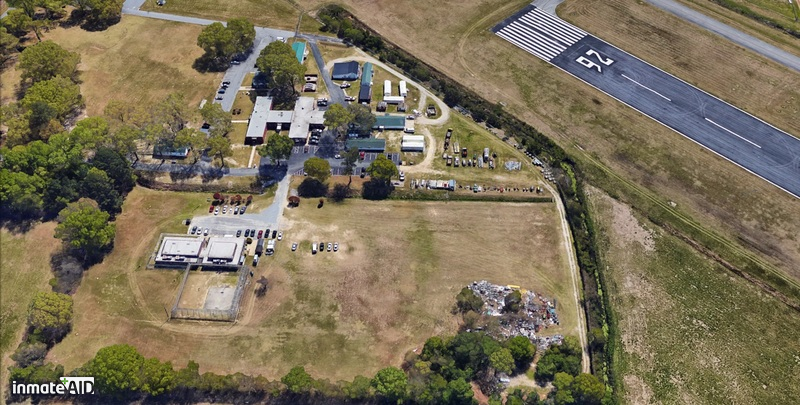
Satellite View of Pitt Regional Juvenile Detention Center
Search Arrest Records

If your loved one is at Pitt Juvenile Detention, InmateAid can help you stay connected. Call the facility directly at 252-830-6590 with any immediate questions.

The Pitt Regional Juvenile Detention Center is a medium to low-security detention center located at 451 Belvoir Rd Greenville, NC that is operated locally by the Juvenile Justice Department and holds youths awaiting the determination of punishment for the crimes of which they are accused. Most of the adolescents are here for less than two years.

The juvenile justice system differs from the adult system, focusing on rehabilitation and recognizing the developmental differences in juveniles. It aims to protect both the child and the public and helps juveniles become productive adults.

Juveniles are detained if they pose a threat, may miss court, or violate court orders. Parental involvement is crucial for effective supervision and rehabilitation.

Key differences in terminology include "taken into custody" instead of "arrest" and "supervision" instead of "probation." Referrals usually come from law enforcement, and an intake social worker decides the juvenile's placement. An inquiry can lead to dismissal, corrective action, or court involvement.

The process includes a plea hearing, possible evaluations, a pre-trial conference, a fact-finding hearing, and a dispositional hearing to determine the case's outcome. Parents may need to cover associated costs.

Juvenile detention centers are secure, temporary facilities where a juvenile will stay while waiting to go to court or until placement can be arranged. Juveniles are placed in detention by court order pending a hearing, disposition or placement. Prior to adjudication, the statute requires that the court review the need for continued secure custody so juveniles have frequent court appearances where alternatives to detention are considered. Youths are typically housed in a detention center closest to their home county. The centers receive admissions through assigned regions or catchment areas.

Juveniles transferred to Superior Court for trial as adults are housed in juvenile detention pending trial if they are not released on bond. Juvenile detention centers provide quality services and programs for juveniles based on their individual needs, to give youths opportunities for positive behavioral change and development. Juvenile detention centers provide a safe, secure, controlled and humane environment for juveniles and staff. All detention centers are co-ed and are staffed to provide appropriate oversight by same-sex staff members.

Upon admission to a juvenile detention center, each youth receives a mental health screening. More comprehensive mental health and substance abuse assessments are completed when screening indicates a need. Medical screening is conducted, with urgent or emergent follow-up medical services. These screenings assist the Division in more appropriately serving the youth in its care.

During a short-term stay at one of the Division's detention centers, youths are provided with basic educational services that mirror the course of study adopted by N.C. Department of Public Instruction. Treatment programming and services offered at each detention center varies according to the needs of the youth.

Inmate Locator

Locating a Juvenile at Pitt Regional Juvenile Detention Center

Juvenile records are confidential under state and federal law. There is no public inmate locator for minors at Pitt Regional Juvenile Detention Center in Henderson County, North Carolina, or at any juvenile facility in the country. The InmateAid inmate search, state databases, and commercial arrest record services all exclude juvenile records to protect minor privacy. If your child or a juvenile family member is detained, locating them requires direct contact with Pitt Regional Juvenile Detention Center and, in many cases, the juvenile court.

Why You Won't Find a Juvenile in a Public Search

State juvenile justice laws and the federal Juvenile Justice and Delinquency Prevention Act require juvenile records to remain sealed from public view. This applies regardless of the alleged offense, the length of detention, or media coverage of a case. Even a minor's name and the fact of their detention are not part of any public record. Services claiming to offer juvenile inmate search are either inaccurate, returning unrelated adult records, or operating outside the law.

How to Locate a Juvenile at Pitt Regional Juvenile Detention Center

If you believe a juvenile family member is detained at Pitt Regional Juvenile Detention Center, call 252-830-6590. Be ready to provide your full legal name, your relationship to the juvenile (parent, legal guardian, custodial grandparent, sibling over 18), and identification establishing custody or family relationship. The facility's intake staff or case management team will confirm whether the juvenile is in their custody and explain the next steps.

Contacting the Juvenile Court and Probation

For juveniles held at Pitt Regional Juvenile Detention Center for more than a brief intake period, the case is also being handled by the Henderson County juvenile court and an assigned probation officer or intake worker. The probation officer can confirm case status, upcoming hearing dates, and release planning even if the facility cannot release information directly. The Henderson County clerk's office for juvenile court is the right starting point if you can't get information through Pitt Regional Juvenile Detention Center alone.

To confirm whether a juvenile is currently at Pitt Regional Juvenile Detention Center, reach the assigned probation officer, or learn about court dates and release options, call 252-830-6590.

Visitation Information

Visiting a Youth at Pitt Regional Juvenile Detention Center

Pitt Regional Juvenile Detention Center in Henderson County, North Carolina is a county juvenile detention center, used primarily for pretrial holding of minors in juvenile court proceedings and short-term post-adjudication placements. Youth here are typically waiting for adjudication hearings, awaiting transfer to a state facility, or serving short county-level dispositions. Visitation is structured around these realities: scheduled visits for parents and approved family, court and attorney access, and case management contact. Before traveling, call 252-830-6590 to confirm the current schedule and your status on the approved visitor list.

Who Can Visit a Youth at Pitt Regional Juvenile Detention Center

Approved visitors typically include parents, legal guardians, custodial grandparents, and siblings. Stepparents and extended family may be approved case-by-case through the juvenile court or facility case management. Foster parents, child welfare caseworkers, and probation officers are generally pre-approved through their professional role. Attorneys, court-appointed advocates, and clergy have separate access. Minor siblings usually require a parent or guardian to accompany them. To add someone to the approved visitor list, the parent or legal guardian typically submits a written request, sometimes with court or case manager input.

Visiting Schedule and Visit Format

County juvenile detention centers commonly schedule visits on weekends and selected weekday evenings, with shorter and more frequent visits than adult facilities. Visits at Pitt Regional Juvenile Detention Center may be contact visits in a structured family area, non-contact visits through glass, or video visits depending on facility setup and the youth's current status. Call 252-830-6590 for the current schedule and whether the youth is eligible for visits.

ID, Conduct, and What to Bring

Bring a valid government-issued photo ID. Custodial parents and guardians may also need legal documentation establishing custody. Dress code is enforced: no revealing attire, no clothing that resembles staff or resident uniforms, no items that could be passed to the youth. Leave phones, bags, and personal items in your vehicle or lobby lockers. Visitor behavior is monitored; violations can result in the youth losing visiting privileges.

Working With Probation and the Case Manager

Most youth at Pitt Regional Juvenile Detention Center are involved with the juvenile court and assigned to a probation officer or case manager who coordinates the case. The probation officer is often the family's primary point of contact for case status, court hearings, release planning, and visitor approvals beyond immediate family. Building a working relationship with the probation officer helps families stay informed and advocate effectively. Ask for the probation officer's name when you call 252-830-6590.

Court Hearings and Release Planning

Youth at Pitt Regional Juvenile Detention Center are typically scheduled for an initial detention hearing within a few days of being detained, followed by adjudication and disposition hearings as the case proceeds. Release outcomes vary: release to a parent or guardian, community supervision, transfer to a state juvenile facility, or transfer to adult court in serious cases. Family attendance at court hearings is important and can affect the judge's decisions on release conditions.

For information on phone discount plans and mail support for juvenile facilities, see InmateAid's services and call 252-830-6590.

Frequently Asked Questions About Pitt Regional Juvenile Detention Center

  1. What is a juvenile detention center?
    A juvenile detention center is a secure facility designed to house minors who have been arrested, charged, or convicted of a crime. Unlike adult jails, these centers focus on rehabilitation, education, and structured supervision. Youth housed in these facilities may be awaiting trial, serving short-term sentences, or completing mandated treatment programs aimed at reducing delinquent behavior.

  2. How does a juvenile detention center differ from an adult jail?
    Juvenile detention centers differ from adult jails in their approach to discipline, rehabilitation, and environment. They prioritize counseling, education, and structured activities over punitive measures. While adult jails emphasize punishment and security, juvenile facilities are designed to address the root causes of delinquent behavior, such as trauma, lack of parental guidance, or substance abuse issues.

  3. Who can be sent to a juvenile detention center?
    Juvenile detention centers house minors under 18 who have been arrested for criminal activity, ranging from status offenses (such as truancy or curfew violations) to serious felonies like robbery or assault. Some youth may also be placed in detention for violating probation, running away from court-mandated programs, or awaiting transfer to another facility.

  4. What types of offenses lead to juvenile detention?
    Youth may be detained for a variety of offenses, including property crimes (theft, vandalism), drug-related offenses, assault, gang activity, or firearm possession. In some cases, juveniles are detained for non-criminal behavior, such as repeatedly skipping school or running away from home. The severity of the offense, prior record, and risk level typically determine whether a juvenile is detained or placed in an alternative program.

  5. How long do juveniles stay in detention centers?
    The length of stay depends on the case. Some juveniles are held for a few days or weeks while awaiting trial, while others may serve months or years depending on their sentence. Youth placed in long-term detention typically participate in rehabilitation programs, educational courses, and mental health counseling. Courts may also mandate step-down programs, where youth transition into community-based supervision before full release.

  6. Are juvenile records sealed after release?
    In many states, juvenile records are sealed or expunged once the individual reaches adulthood, provided they meet certain conditions. However, serious offenses such as violent felonies or sex crimes may remain on record, potentially affecting future employment, housing, and educational opportunities. In some cases, a juvenile may petition the court to have their record expunged after demonstrating rehabilitation.

  7. Do juveniles in detention attend school?
    Yes, most juvenile detention centers provide on-site educational programs that allow youth to continue their schooling while in custody. These programs may include core academic subjects, GED preparation, and vocational training. Some facilities work with local school districts to ensure that credits earned in detention transfer back to public schools upon release.

  8. Can family members visit juveniles in detention?
    Yes, but visitation policies vary by facility. Families typically need to schedule visits in advance, follow strict security protocols, and comply with dress code regulations. Some detention centers offer video visitation or family counseling sessions to strengthen relationships before the juvenile is released. Regular contact with family members can significantly reduce recidivism and improve rehabilitation outcomes.

  9. Are juveniles allowed to make phone calls?
    Most juvenile detention centers allow monitored phone calls, though the frequency and duration depend on facility rules, the youth’s behavior, and their case status. In some cases, juveniles may call only pre-approved family members or legal representatives. Facilities may also restrict calls if an inmate violates behavioral rules.

  10. What rehabilitation programs are available?
    Programs often include substance abuse counseling, anger management, cognitive-behavioral therapy, vocational training, and life skills workshops. These services are intended to help juveniles develop positive coping mechanisms, make better decisions, and reintegrate into their communities upon release. Some centers also offer mentorship programs where at-risk youth receive guidance from former inmates or community leaders.

  11. Are juveniles placed in solitary confinement?
    While some facilities still use room confinement or restricted housing as disciplinary measures, prolonged solitary confinement for juveniles is widely discouraged due to its negative psychological effects. Many states have passed laws limiting or banning solitary confinement for minors, encouraging the use of alternative discipline methods such as behavioral interventions and conflict resolution programs.

  12. Can juveniles be transferred to adult prison?
    In some cases, juveniles may be tried as adults for severe offenses, such as murder, armed robbery, or sexual assault. If convicted, they can be transferred to adult prison upon turning 18. Some states allow judges to reconsider these transfers based on the juvenile’s rehabilitation progress, age, and psychological evaluations.

  13. What rights do juveniles have in detention?
    Juveniles have the right to education, medical care, legal representation, and protection from abuse. They are also entitled to due process, meaning they cannot be detained indefinitely without a hearing. Inmates must be provided with access to rehabilitative services and fair treatment under the law. Any allegations of abuse or mistreatment must be investigated by oversight agencies.

  14. How do juveniles reintegrate into society after detention?
    Many juvenile detention centers offer reentry programs, including mentorship, transitional housing, probation supervision, and vocational training. Youth are often connected with caseworkers, social services, and education programs to help them successfully reintegrate. Some facilities also arrange family reunification counseling to strengthen support systems at home.

  15. What happens if a juvenile violates probation after release?
    If a juvenile violates probation, consequences can range from increased supervision and mandatory counseling to community service or re-detention. In severe cases, the juvenile may be returned to detention or sent to a more restrictive program. Courts typically evaluate the circumstances of the violation, the individual’s progress, and any external factors before making a decision.

Ask The Inmate

Connect directly with former inmates and get your questions answered for free. Gain valuable insights from individuals with firsthand experience in the federal prison system, state and county jails, and GEO and CoreCivic-run private prisons. Whether you're seeking advice, clarification, or just curious about life behind bars, this unique opportunity allows you to ask questions or explore answers to previous inquiries from the InmateAid community. Engage in meaningful discussions and get informed perspectives from those who truly understand the system.