1. Home
  2. All Facilities
  3. Northeast Florida State Hospital (NEFSH)

Northeast Florida State Hospital (NEFSH)

Reentry & Treatment Facility

Last Updated: July 21, 2025
Address
7487 FL-121, MacClenny, FL 32063
Beds
633
County
Baker
Phone
904-259-6211

NE FL State Hospital is for Reentry & Treatment Facility offenders have not been sentenced yet and are detained here until their case is heard.

All prisons and jails have Security or Custody levels depending on the inmate’s classification, sentence, and criminal history. Please review the rules and regulations for State - medium facility.

If you are unsure of your inmate's location, you can search and locate your inmate by typing in their last name, first name or first initial, and/or the offender ID number to get their accurate information immediately Registered Offenders

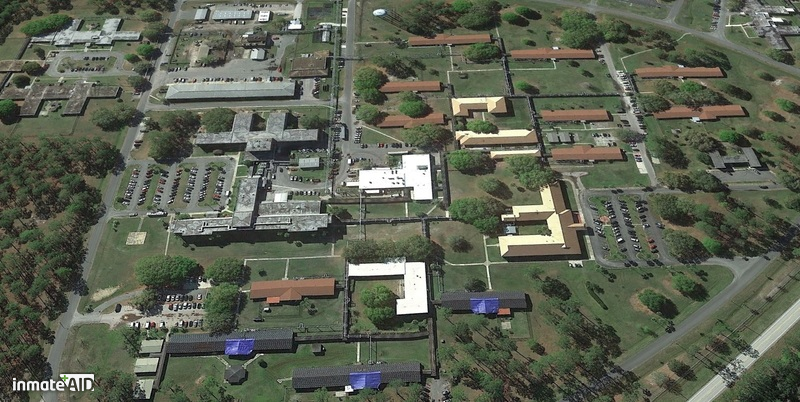
Satellite View of Northeast Florida State Hospital (NEFSH)
Search Arrest Records

If your loved one is at NE FL State Hospital , InmateAid can help you stay connected. Call the facility directly at 904-259-6211 with any immediate questions.

The Northeast Florida State Hospital (NEFSH) located at 7487 FL-121 MacClenny, FL, focuses on successful offender reintegration into society, crucial for effective crime control. With high recidivism rates, evidence-based practices tailor programs for medium to high-risk individuals, reducing repeat offenses. Reentry and Treatment Centers offer structured environments and various programs aiding rehabilitation and community reconnection efforts. Collaborating with the Baker Sheriff's Department, the Florida Department of Corrections, and sometimes the US Marshal Service/Federal Bureau of Prisons, comprehensive reentry services prioritize education, substance abuse treatment, and workforce development. Facilities assist officers in monitoring compliance and serve as alternatives to pretrial detention, considering cost-effectiveness and reducing overcrowding. Emphasizing individual needs, family support, and community integration, the center aims for holistic support, empowering successful reintegration.

Northeast Florida State Hospital (NEFSH) is located in the city of Macclenny, Florida, 35 miles west of Jacksonville. NEFSH has provided continuous service to persons with severe and persistent mental illness since 1959. As a recipient of the Governor's Sterling Award for Organizational Performance Excellence in 2000, numerous Davis Productivity Awards, and CARF Accreditation in 2009, facility staff is ever mindful of the mission to provide comprehensive mental health treatment services to ensure a timely and appropriate transition to the community.

Northeast Florida State Hospital serves the Department of Children and Families' Circuits 3 (minus Madison and Taylor Counties), 4, 5, 7, 8, 9, 10, and 18, which include 30 of Florida's 67 counties. The facility employs 1,007 people and is the largest single employer in Baker County.

The facility operates 633 beds and is the largest state-owned provider of psychiatric care and treatment to civilly committed individuals in Florida. Referrals are based upon community and regional priorities for admission. Bed utilization rate for FY 2011-12 was 98% for Civil and 100% for step-down individuals, with a total of 1,000 persons served in FY 2011-12. With a daily bed cost of $289.34 (FY2011-12), NEFSH provides 24-hour residential care at one of the lowest per diem rates in the country. This figure is all inclusive of the complex array of needs demonstrated by persons in treatment, including housing and meals, access to treatment professionals, care of physical health needs, transportation, and psychotropic medications.

Based on standards of care for general health concerns, Service Planning standards, and best practices in psychosocial rehabilitation, recovery at NEFSH is addressed through a person-centered approach. Following a review of significant issues presented by the community upon admission, comprehensive evaluations and assessments, clinical observations, the strengths, needs, and desires of the individual and their long term view, a service plan is developed to guide treatments during the person's stay at NEFSH. Psychosocial rehabilitation centers, referred to as Recovery Centers on the NEFSH campus, focus on therapeutic interventions designed to develop and/or enhance skills necessary for problem-solving, building and maintaining social relationships, and functional life skills necessary for successful community living.

Business results from the 2011-12 fiscal year demonstrate continued success in the areas of customer satisfaction (90%) and length of stay (57% of discharges occurred within one year of admission). Since 1986, 477 continuous quality improvement projects addressing treatment approaches and support services have been conducted and are highlighted in the hospital's Annual Reports. The mission of the hospital is to: Provide comprehensive mental health recovery services to ensure a timely transition to the community.

Since 1959, Northeast Florida State Hospital (NEFSH) has provided continuous service to people whose mental health needs cannot be met in community-based programs or whose assessed needs require a residential treatment environment with specialized programs and services that promote the successful return of these individuals to community living as soon as possible. This facility is the largest provider of civil service in the State of Florida, operating 633 beds and serves residents from 30 of the 67 counties in Florida.

As a 2000 Governor's Sterling Award Winner for Organizational Performance Excellence and National Accreditation by the Commission on Accreditation of Rehabilitation Facilities (CARF) in Nov. 2009 and Nov. 2012, our commitment to those whom we serve, as well as their families and loved ones, will continue to focus on ensuring that they never lose hope for a quality of life that they seek and deserve. Your involvement and support of these efforts is critical and appreciated by NEFSH and those whom we are privileged to serve.
Inmate Locator

Finding an Inmate at Northeast Florida State Hospital (NEFSH)

If you're trying to locate someone in custody at Northeast Florida State Hospital (NEFSH) in MacClenny, Florida, the fastest path depends on how recently the arrest happened, what type of facility holds the inmate, and how quickly that facility updates its public records. There is no single nationwide inmate database that covers every detention facility in real time, so locating a specific person often means checking multiple sources or calling Northeast Florida State Hospital (NEFSH) directly at 904-259-6211.

Using the InmateAid Inmate Search

The InmateAid inmate search is the fastest starting point for locating someone at Northeast Florida State Hospital (NEFSH). The search pulls from facility rosters, booking systems, and arrest record databases to return current custody status, charges, and housing facility. If the person was arrested or transferred recently and doesn't appear yet, the facility likely hasn't updated its public roster, which can lag by hours or a full business day. Try again later or call 904-259-6211 to confirm.

When the Inmate Doesn't Appear in the Search

Several explanations are possible if a person isn't showing up. The booking may not be complete. The person may have been released, transferred to another facility, or moved to federal or immigration custody. Some facilities deliberately delay public records by 24 to 72 hours for security reasons. Minors are never published in any public locator regardless of facility. To rule out a transfer or release, call 904-259-6211 and ask the booking desk to confirm current status.

What You'll Need to Search Effectively

Have ready: full legal name and any aliases, date of birth, and approximate date of arrest. If you know which agency made the arrest, that narrows results significantly. A booking number locates the record immediately. Without at least a full name and approximate date, searches return too many results to be useful.

Once You've Located the Inmate

When you confirm the person is at Northeast Florida State Hospital (NEFSH), set up a prepaid phone account so you don't miss the first call, and arrange any money transfer or commissary funding needed. For phone discount plans, money transfer, and mail services available at Northeast Florida State Hospital (NEFSH), see InmateAid's inmate services and call 904-259-6211.

To confirm current custody status, recent transfers, or release information at Northeast Florida State Hospital (NEFSH), call 904-259-6211.

Visitation Information

Northeast Florida State Hospital (NEFSH) - Visitation

Here you will find information primarily for persons with friends or loved ones who are residents of Northeast Florida State Hospital.

The following paragraphs explain the Visitation Rules and Schedules, Code of Behavior while visiting and information about the Hospitality House for extended visits.

If you are planning a visit, please review this information to ensure your visit is a pleasant one. If you should have any further questions about visitation, rules, and/or schedules, please contact the Community and Resident Relations Department at 904-259-6211, extension 1158.

Hospital Rules And Procedures For Visitors

  1. Visiting hours are:
    Monday - Friday, 3:30 p.m. - 5:30 p.m.
    Weekends and Holidays, 9:00 a.m. - 11:00 a.m. and any two hours between 1:00 p.m. - 5:30 p.m.
  2. Families of individuals who are listed as critical in the acute care facility (Shady Oaks and 3C Building 12) may visit at any time, as approved by the Service Team.
  3. Minors, as defined by Florida Statute, are permitted as visitors only under the supervision of an adult and must have approval 10 business days prior to visiting.
  4. All visitors will stop at the visitor’s information booth, at the main entrance, where security personnel will log in the name of each person, the time of their arrival, and the Unit/Living Area they intend to visit. The visitor will be issued a visitor's pass.
  5. No visitor may bring cameras or video cameras to the campus, unless the visitor signs, in advance, the proper authorization form.
  6. No visitor may bring alcoholic beverages, drugs, or weapons to the campus. Violators may be subject to arrest.
  7. No tobacco products of any kind are allowed. NEFSH is a Tobacco Free Environment.
  8. No visitor may give cash to persons served. All cash, money orders & checks must be deposited into the persons account. NEFSH is a Cashless Society. Residents are not allowed to have cash on their person, tokens are used in place of cash while residents are in the hospital.
  9. Visitors and residents must use the Visitor Center for their visitation or designated visitor’s room, lobby, or area; respecting the right to reasonable privacy of communication, dependent upon the physical construction of the building, and availability of a private area.
  10. No visitor shall be allowed to routinely enter the general living area. This includes hallways, sitting rooms, bedrooms, chart room, storage room, etc., except in the case of a critical resident in the Lemonwood Village where visitors may be allowed access to the resident's bedroom as necessary.
  11. Visitors shall not have access to medical records without a properly signed authorization presented to the medical records custodian and may only review these records subject to provisions established by law.
  12. Each living area will maintain a visitor’s log to include name, address, and relationship of each individual visiting the resident.
  13. Day passes, based on a written physician's order, will be maintained on the living area chart and the original given to the responsible party.

Frequently Asked Questions About Northeast Florida State Hospital (NEFSH)

  1. What is a reentry and treatment program facility?
    A reentry and treatment programs facility is designed to help individuals transition from incarceration back into society by providing structured support, including substance abuse treatment, job training, and housing assistance.

  2. Who is eligible for placement in a reentry and treatment program?
    Eligibility depends on several factors, including the individual’s criminal history, behavior while incarcerated, and participation in rehabilitative programs. Many facilities prioritize individuals with non-violent offenses and those who demonstrate a commitment to reintegration.

  3. How does a reentry program differ from a standard correctional facility?
    Unlike traditional jails and prisons that primarily focus on confinement, reentry programs emphasize rehabilitation, life skills, and community integration to reduce recidivism and promote long-term success.

  4. What types of treatment programs are offered?
    Most reentry facilities provide substance abuse treatment, mental health counseling, educational programs, vocational training, and life skills development. Some may also include anger management, parenting classes, and cognitive behavioral therapy.

  5. Is participation in a reentry program voluntary?
    Participation may be voluntary or court-mandated, depending on the individual’s legal status. Some individuals are placed in reentry programs as part of their parole or probation conditions.

  6. How long do individuals stay in a reentry program?
    The length of stay varies based on the program and individual needs. Some programs last a few months, while others may continue for up to a year to ensure a stable transition into society.

  7. Do participants in reentry programs have to follow strict rules?
    Yes, all participants must adhere to strict guidelines, which may include curfews, drug testing, attendance at required programs, and employment obligations. Failure to comply may result in removal from the program.

  8. Can individuals work while in a reentry program?
    Many reentry facilities encourage employment as part of rehabilitation. Some programs offer work-release opportunities, while others assist participants in finding employment within the community.

  9. Do reentry programs provide housing assistance?
    Some facilities offer on-site transitional housing, while others assist individuals in securing safe, affordable housing upon release.

  10. Are there educational opportunities in reentry programs?
    Yes, many programs provide GED classes, vocational training, and higher education opportunities to help individuals build skills for employment.

  11. Can participants receive mental health counseling?
    Absolutely. Many reentry programs prioritize mental health services, including counseling, therapy, and medication management for those struggling with mental illness.

  12. What role do family members play in the reentry process?
    Family support is highly encouraged. Many programs offer family counseling, parenting classes, and visitation opportunities to help strengthen family relationships.

  13. Are reentry programs available to all formerly incarcerated individuals?
    Availability varies by location, funding, and eligibility criteria. Some programs are state-run, while others operate through non-profits or private organizations.

  14. Do reentry programs help with substance abuse recovery?
    Yes, many facilities offer drug and alcohol treatment programs, including 12-step programs, counseling, and medication-assisted treatment for individuals struggling with addiction.

  15. What happens if a participant violates program rules?
    Consequences depend on the severity of the violation. Minor infractions may result in warnings or additional requirements, while serious offenses can lead to program termination or return to incarceration.

  16. How do individuals apply for reentry programs?
    Applications can be submitted through case managers, parole officers, correctional facility staff, or direct enrollment with the reentry program.

  17. Are there specific programs for women or juveniles?
    Yes, some reentry programs are designed specifically for women, providing gender-responsive services such as parenting support and trauma-informed care. There are also youth reentry programs aimed at helping young offenders reintegrate successfully.

  18. Is financial assistance available for individuals in reentry programs?
    Some programs provide financial assistance for housing, transportation, and work-related expenses, while others connect participants with social services for further support.

  19. What is the ultimate goal of a reentry and treatment program?
    The primary goal is to reduce recidivism and help individuals rebuild their lives by providing the necessary tools, skills, and support to ensure successful reintegration into society.

Ask The Inmate

Connect directly with former inmates and get your questions answered for free. Gain valuable insights from individuals with firsthand experience in the federal prison system, state and county jails, and GEO and CoreCivic-run private prisons. Whether you're seeking advice, clarification, or just curious about life behind bars, this unique opportunity allows you to ask questions or explore answers to previous inquiries from the InmateAid community. Engage in meaningful discussions and get informed perspectives from those who truly understand the system.