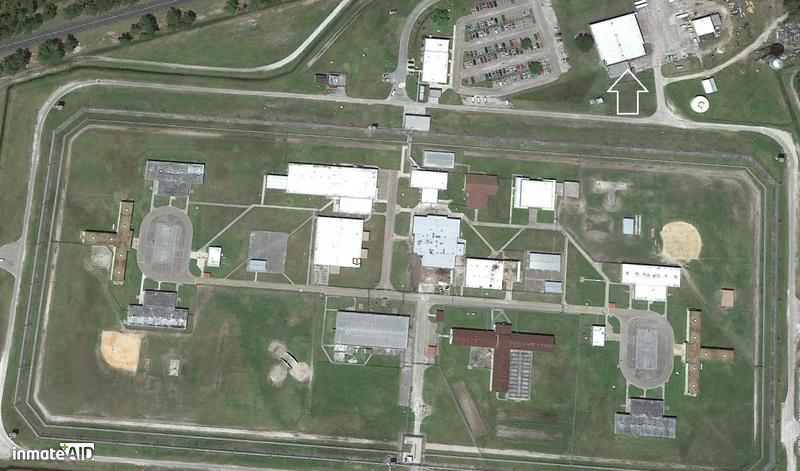
Baker Reentry is for State Prison offenders sentenced anywhere from one year to life by the State Court in the county where the charges were filed
All prisons and jails have Security or Custody levels depending on the inmate’s classification, sentence, and criminal history. Please review the rules and regulations for Reentry facility.
The phone carrier is Global Tel Link (GTL) - ConnectNetwork, to see their rates and best-calling plans for your inmate to call you.
If you are unsure of your inmate's location, you can search and locate your inmate by typing in their last name, first name or first initial, and/or the offender ID number to get their accurate information immediately Registered Offenders
Baker Reentry is a Reentry state correctional facility in Sanderson, FL, operated by the Florida Department of Corrections. Inmates serve sentences ranging from one year to life and have access to programs including education, vocational training, and work assignments. This page covers how to locate an inmate, schedule visits, make calls, send money, and stay connected throughout their sentence at Baker Reentry.
While incarcerated, reading is often the best use of time. Please note that books and magazines, puzzles, and word searches ordered for inmates must come directly from the publisher. This policy ensures that the items are new, untampered, and comply with the facility's regulations. Prisons and jails enforce this rule to prevent the introduction of contraband or prohibited materials. By restricting orders to publishers, the facility can better maintain security and control over the content entering the institution. Any books or magazines not received directly from the publisher will be rejected and not delivered to the inmate. You may, however, send letters and selfies to inmates with this easy-to-use app, packages starting at only $8.00.
Baker Reentry, a Florida Department of Corrections work release facility, accommodates up to 432 male residents. As a part of the reentry process, it offers various programs aimed at education, vocational training, substance abuse treatment, and institutional betterment.
In terms of academic programs, Baker Reentry provides Adult Basic Education, Career Technical Education, General Educational Development (GED) Preparation, Inmate Teaching Assistant Program, and a Mandated Literacy Program. These programs aim to equip individuals with essential academic skills to enhance their employability and overall well-being upon reintegration into society.
The facility also offers vocational programs such as Aramark - Food Handling & Safe Serve, Electrical Wiring, PRIDE Culinary Arts, and Warehouse & Logistics training. These vocational programs are designed to provide practical skills and qualifications that can lead to employment opportunities post-release, thereby promoting self-sufficiency and reducing the likelihood of recidivism.
In addressing substance abuse issues, Baker Reentry provides various programs and services, including Alumni Support Group, Intensive Outpatient Services, Traditional Outpatient Services, Prevention Services, and a Therapeutic Community. Through these programs, individuals receive support, counseling, and treatment to overcome addiction and develop healthy coping mechanisms for successful reintegration.
Chaplaincy services play a crucial role in the spiritual and emotional well-being of the individuals, offering Catholic Studies, Chapel Library Program, Christ's Church services, Inside Out Dads program, Operation New Hope - Ready for Work, Religious Education, and Worship Services.
Moreover, the facility offers institutional betterment programs like the Canine Obedience Training Program, Career Source assistance, Compass 180 for personal development, Getting It Right Change Company, Library Program, Marriage Counseling, Parenting from Inside, and WorkNet services to enhance employability and promote personal growth during incarceration.
These comprehensive programs and services aim to address the diverse needs of individuals transitioning from incarceration to society, ultimately promoting successful reentry, reducing recidivism rates, and fostering positive outcomes for both individuals and communities.
test